
As we age, our skin changes, and signs of aging can seem like unwanted visitors. But, with the right skincare, you can bring back your youthful look. We’ll guide you on how to create the best skincare routine for aging skin.
Key Takeaways
- Incorporate a gentle cleanser, vitamin C serum, retinol, moisturizer, and broad-spectrum sunscreen into your daily routine.
- Look for key anti-aging ingredients like retinol, vitamin C, AHAs, collagen, and niacinamide to target common signs of aging.
- Start an anti-aging skincare routine in your 30s for optimal results.
- Consistency is key – stick to your routine for long-term skin health and visible improvements.
- Combine skincare with a healthy lifestyle, including a balanced diet and sun protection, for a holistic approach to youthful skin.
Introduction to Anti-Aging Skincare Routines
As you get older, your skin changes in ways that can show aging signs like wrinkles and age spots. It’s important to have a good anti-aging skincare plan to fight these signs and keep your skin looking young and healthy. This part will talk about the main parts of a good skincare routine for aging skin.
Older skin is thinner and doesn’t hold moisture well. It also takes longer to make collagen and elastin. Plus, the sun’s damage over time causes dark spots and wrinkles. To tackle these mature skin care issues, you need a detailed plan.
Your morning anti-aging skincare routine should start with cleaning, toning, and a vitamin C serum. Then, moisturize with SPF and use an eye cream. At night, clean your face, tone it, apply an anti-aging serum, use retinol, moisturize, and care for your eyes.
Using products proven to work and getting dermatologic treatments when needed can really help your aging skin. By sticking to a skincare for aging skin routine and focusing on your specific issues, you can get a younger, glowing look.
Gentle Cleanser: A Crucial First Step
When it comes to caring for aging skin, a gentle, non-irritating cleanser is key. Our skin gets more delicate and dry as we age. Using the right gentle cleanser helps remove dirt, makeup, and extra oil without drying out the skin.
Importance of Cleansing and Suitable Product Recommendations
Cleansing your face daily is a must for many. A morning and evening cleansing routine offers extra benefits. For aging skin, picking a gentle cleanser is vital. It should not upset the skin’s balance.
Look for cleansers without harsh chemicals, fragrances, and alcohol. These can dry out and irritate older skin.
Great gentle cleanser options for aging skin are Cetaphil Daily Facial Cleanser, CeraVe Hydrating Facial Cleanser, and Aveeno Calm + Restore Nourishing Facial Cleanser. They use gentle ingredients like ceramides, glycerin, and oat extract. These keep the skin clean without harming its protective layer.
Adding a gentle cleanser to your daily cleansing for aging skin routine is key. It’s the first step to keeping your skin healthy and young-looking. By starting with a gentle cleansing step, your skin is ready to absorb the benefits of other skincare products.
Vitamin C Serum: Powerhouse Antioxidant
Adding a vitamin C serum to your skincare routine can change the game. This antioxidant fights aging signs and boosts your skin’s health. It neutralizes free radicals, boosts collagen, and brightens your skin.
Choose a serum with 10% to 20% vitamin C. The type matters too – L-ascorbic acid suits oily or normal skin, while magnesium ascorbyl phosphate is better for dry skin. Serums are great for getting a strong dose of vitamin C.
Make sure the serum’s pH is right for your skin type. Start using it three times a week and increase as needed. This helps your skin get used to it without irritation.
Using a vitamin C serum takes time to see results, so be patient. Keep it in a cool, dark spot to keep it fresh. Putting it under sunscreen adds extra protection against the sun.
Eating foods high in vitamin C, like oranges and bell peppers, also helps your skin. This approach can make your skin look younger and brighter.
Retinol: The Gold Standard for Anti-Aging
Understanding Retinol and Its Benefits for Mature Skin
Retinol comes from vitamin A and is a top choice for fighting aging skin. It boosts cell turnover, makes more collagen, and smooths out fine lines and wrinkles. For mature skin, adding retinol to your skincare can really change things.
Research shows retinoids, like retinol, tackle many skin issues. These include acne, scars, dark spots, and big pores. Retinol goes deep into the skin. It makes new skin cells grow, lowers inflammation, and stops pores from clogging.
Retinol is a big deal for anti-aging. It makes fine lines and wrinkles less visible by making skin more elastic and boosting collagen. It also helps with age spots and uneven skin tone.
But, retinol is strong, so start with a small amount and slowly increase it. This helps avoid irritation. Remember, it might take weeks or months to see its full effects on mature skin.
| Anti-Aging Benefits of Retinol | Potential Concerns |
|---|
- Reduces fine lines and wrinkles
- Boosts collagen production
- Improves skin elasticity
- Fades age spots and discoloration
- Minimizes the appearance of large pores
- Potential skin irritation
- Increased sensitivity to sun exposure
- Possible initial worsening of acne
- Potential for systemic absorption
Adding retinol to your skincare can fight aging signs well. But, start slow, introduce it carefully, and be patient. With the right approach, retinol can make your skin look younger and brighter.
Moisturizer: Hydration is Key
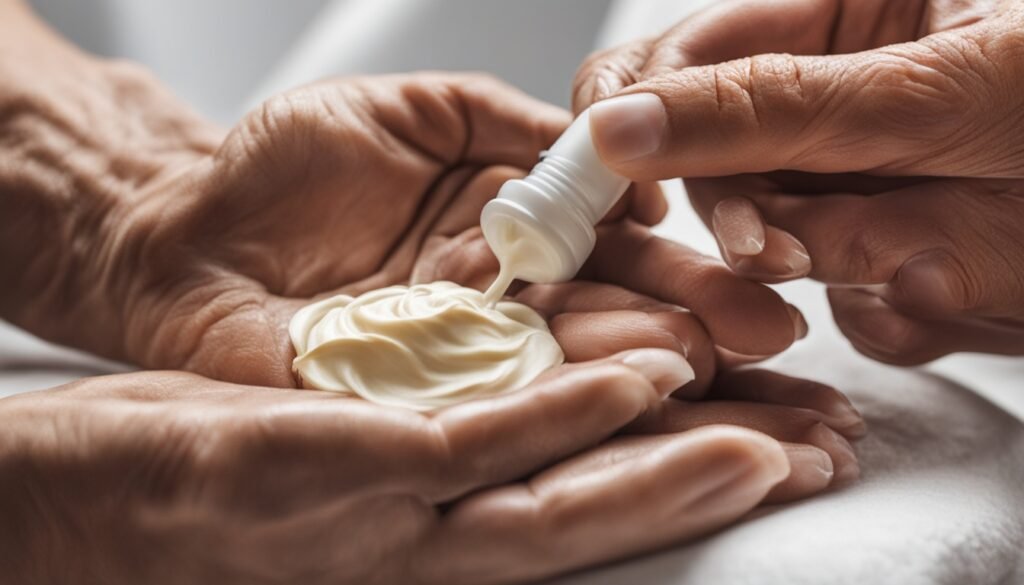
As we get older, our skin makes less oil. This leads to dryness and dehydration. Using a hydrating moisturizer is key for a young, healthy look. It’s vital for those worried about moisturizer for aging skin or just keeping skin moisturizing for mature skin.
For anti-aging skincare, balance is everything. Cleansers and serums are important, but a good moisturizer locks in benefits and keeps water in. This makes your skin soft, full, and glowing.
| Moisturizer | Price | Key Ingredients | Target Audience |
|---|---|---|---|
| Caudalie Premier Cru Cream | $129 | Hyaluronic acid, sugars derived from honey locusts, grapeseed oil, shea butter | People who layer moisturizer under base makeup |
| La Mer Crème de la Mer Moisturizer | $200 | Lime Tea, Miracle Broth (sea kelp-based), calcium, magnesium, potassium, alfalfa, vitamin C | People with skin damage |
| InnBeauty Project Extreme Cream | $48 | Peptides, retinol, ceramides | People with loss of elasticity in aging skin |
No matter your budget, a good moisturizer for aging skin is a smart choice. Adding a hydrating moisturizer daily can lead to a glowing, youthful look.
Broad-Spectrum Sunscreen: Daily Essential
Protecting your skin from the sun’s harmful UV rays is key to fighting aging. UVA and UVB rays can cause wrinkles, age spots, and uneven skin tone. So, using a broad-spectrum sunscreen every day is a must.
Protecting Skin from UV Damage and Recommended Sunscreens
Choose a sunscreen that protects against both UVA and UVB rays. Go for a mineral-based sunscreen with an SPF of 30 or higher. These are less likely to irritate your skin and cover mature skin well.
Consider these top sunscreens: SkinMedica Essential Defense Mineral Shield™ Broad-Spectrum SPF 35 and Vanicream Facial Moisturizer with SPF 30. They offer great sun protection without clogging pores or causing sensitivity.
| Sunscreen | SPF | Type | Average Price |
|---|---|---|---|
| SkinMedica Essential Defense Mineral Shield™ Broad-Spectrum SPF 35 | 35 | Mineral | $40 |
| Vanicream Facial Moisturizer with SPF 30 | 30 | Mineral | $15 |
Reapply sunscreen every two hours, especially when outdoors or doing activities that make it wear off. Using a broad-spectrum sunscreen for aging skin is key to protecting your skin and preventing sun damage.
What’s The Best Skincare Routine for Aging Skin?
As we age, our skin changes a lot. A good anti-aging skincare regimen is key. It’s about picking the right products and ingredients for mature skin.
Start with a gentle cleanser. Choose ones that are creamy and hydrating, like Albolene Moisturizing Cleanser or CeraVe Foaming Facial Cleanser. They keep the skin’s barrier strong and get it ready for what comes next.
Then, add a serum with antioxidants, like vitamin C. It fights damage and helps make more collagen. Serums with hyaluronic acid and peptides also make the skin look younger by plumping it up.
Retinol is a top choice for anti-aging. It’s a type of vitamin A that makes skin look smoother. Start with a small amount and slowly increase it to avoid any irritation. If your skin is sensitive, try bakuchiol instead.
End your routine with a moisturizer made for mature skin. Look for ones with ceramides, cholesterol, and fatty acids, such as SkinCeuticals Triple Lipid Restore 2:4:2. These ingredients help fix the skin’s lipid barrier and keep it hydrated.
Finish with a broad-spectrum sunscreen, like Elta MD UV Clear Broad-Spectrum SPF 46. It protects against UV rays and stops more aging signs. With this best skincare routine for aging skin, you’ll get a glowing, youthful look.
Anti-Aging Ingredients to Look For
Powerful Ingredients to Combat Signs of Aging
When it comes to aging skin, some anti-aging ingredients can really help. They boost collagen, improve texture, and make skin look brighter. These ingredients are key for a good skin care routine for aging skin.
Retinoids are big in anti-aging. They include vitamin A forms like retinol and tretinoin. These help make more collagen, smooth lines, and even skin tone. Bakuchiol is a plant-based option for those who can’t handle traditional retinoids.
Hyaluronic acid is great for aging skin too. It plumps and hydrates skin right away. Peptides also help by reducing wrinkles, especially around the mouth.
Ceramides and polyglutamic acid keep skin looking young. They keep it hydrated, firm, and strong.
For uneven skin tone and dark spots, vitamin C, hydroquinone, and kojic acid work well. They fade spots and make skin look even and bright.
Using a mix of these anti-aging ingredients in your skin care routine for aging skin can make you look younger and healthier over time.

Morning Skincare Routine for Aging Skin
Starting your day with a good skincare routine is key for aging skin. Begin by washing your face with a gentle cleanser like Caudalie Micellar Cleansing Water ($15 – $30). This cleanser removes dirt and oil without drying out your skin.
Then, use a vitamin C serum, such as SkinCeuticals C E Ferulic ($182) or MAELOVE Glow Maker (under $40). Vitamin C fights aging signs by neutralizing harmful free radicals and boosting collagen.
Next, apply a moisturizer like La Roche-Posay Niacinamide Double Repair Face Moisturizer ($21). It has niacinamide and ceramides to strengthen your skin’s barrier and enhance its look.
End your morning skincare routine for aging skin with a broad-spectrum sunscreen, like EltaMD UV Clear Face Sunscreen, SPF 46 (around $40). The sun is a big cause of premature aging, so it’s vital to protect your skin from UV rays.
This simple yet effective anti-aging morning routine sets you up for a day with glowing, youthful skin. It also shields your skin from daily damage.
Evening Skincare Routine for Aging Skin
As the day ends, it’s time to care for your skin with a special evening routine. The morning helps protect and brighten your skin. But the evening is for tackling aging signs. A good evening skincare routine can fight off environmental damage and make you look younger.
Step-by-Step Guide for a Nourishing Nighttime Regimen
Start by washing your face to remove makeup, oil, and dirt. Choose a gentle, non-drying cleanser. Then, use a toner to balance your skin’s pH and get it ready for more products.
Next, apply an anti-aging serum with retinol or vitamin C. These ingredients boost collagen, lessen wrinkles, and even skin tone. Add a hyaluronic acid serum for extra moisture.
End your skincare routine for aging skin with a moisturizer rich in soothing ingredients. Look for tulsi oil or ceramides for deep hydration. Also, use an eye cream to tackle puffiness and dark circles.
This anti-aging night routine leads to healthier, glowing skin. Being consistent is important for lasting results. Make this evening routine a key part of your self-care.
Addressing Specific Aging Concerns
As you get older, your skin may show signs like wrinkles, fine lines, age spots, and loss of firmness. A good anti-aging skincare routine helps with many of these issues. But, it’s key to use treatments made for your specific skin concerns. This way, you can get a glowing, youthful look.
If wrinkles worry you, look for products with retinol. This ingredient boosts collagen production and lessens fine lines and wrinkles. Vitamin C serums also help by making skin cells turn over faster and boosting collagen.
For age spots or uneven skin tone, try a brightening serum or cream. Look for ones with kojic acid, niacinamide, or tranexamic acid. These can fade spots and even out your skin tone.
If loss of firmness bothers you, find skincare with peptides. These help make skin more elastic and bouncy. Adding a facial massage or using a gua sha tool can also help by improving blood flow and skin texture.
Dealing with aging concerns often means using different treatments together. By mixing targeted treatments with a full anti-aging routine, you can meet your skincare needs. This way, you can get a younger, glowing look.
Incorporating Skincare Devices and Tools
High-Tech Solutions for Anti-Aging Skincare
Adding skincare devices for anti-aging to your routine can help fight signs of aging. High-tech anti-aging tools offer new ways to tackle issues like fine lines and uneven skin tone.
The LED light therapy mask is a top choice. It uses light to boost collagen, lessen inflammation, and smooth skin. The Beauty ORA LED Light Energy Mask has various modes for different skin problems, making it a key tool for anti-aging.
Microneedling tools, like the ORA Microneedle Face Roller System and the ORA Electric Microneedle Roller Derma Pen System, are great for fine lines and scars. They have tiny needles that make small holes in the skin. This lets active ingredients sink in better and helps make more collagen.
Facial cooling tools, such as ice globes, are soothing. They reduce redness, improve blood flow, and help with puffiness. The Dermstore Collection Set of Two Ice Globes is a favorite for daily use.
Using these high-tech anti-aging tools can take your skincare to the next level. They help you get skin that looks younger and more radiant.
Diet and Lifestyle Factors for Healthy Aging Skin
Looking after your skin is key, but don’t forget about what you eat and how you live. Eating right and living well can make your skin look younger. Together with a good skincare routine, they can make your skin glow.
Start by eating foods full of antioxidants like vitamin C and fermented foods. Vitamin C in skincare can make your skin smoother and less wrinkled. Fermented foods help your gut and give you antioxidants too.
Drinking enough water and keeping stress low are also important. Studies say these can slow down aging and even make you live longer. But too much alcohol and sun can make your skin show aging signs like wrinkles and puffiness.
Being active and sitting right when on your phone can also help your skin. Exercise keeps blood flowing well, and sitting right stops neck wrinkles.
By eating well, staying hydrated, managing stress, and living healthily, you can keep your skin looking young and bright as you get older.
When to Start an Anti-Aging Routine
Starting an anti-aging skincare routine depends on your skin’s needs and concerns. Experts suggest starting with anti-aging products and techniques in your mid-to-late 20s. This is because skin starts aging around 25, losing collagen and elastin.
By starting early, you can keep your skin looking young. You can fight signs of aging like fine lines, wrinkles, and dullness.
Guidance on the Appropriate Age to Begin Anti-Aging Skincare
Your 20s are the best time to start an anti-aging skincare routine. But it’s never too late to begin. Here’s a guide on when to start using anti-aging products based on your age:
| Age Range | Recommended Anti-Aging Skincare Approach |
|---|---|
| 20s | Focus on preventive measures, such as using a daily sunscreen and incorporating antioxidants like vitamin C. |
| 30s | Continue with preventive care, and consider adding retinol and hydrating ingredients to address the first signs of aging. |
| 40s and beyond | Intensify your anti-aging routine with more targeted treatments, such as peptides, hyaluronic acid, and specialized devices or procedures. |
The right age to start an anti-aging skincare routine is when it suits your skin best. Being proactive and consistent with your anti-aging regimen keeps your skin looking young and radiant.
Consistency is Key for Visible Results
Getting the most out of an anti-aging skincare routine means sticking with it over time. Don’t expect to see changes right away. Like with losing weight or getting fit, it takes patience and effort to see results.
Experts say you should follow your skincare routine for 30-45 days before seeing real changes. This lets your skin go through its natural cycle and soak up the active ingredients. By keeping up with your routine, you’ll see slow but steady improvements in fine lines, wrinkles, and skin glow.
To keep up with your consistency in anti-aging skincare, set achievable goals and make caring for your skin a habit. Spend a few minutes each morning and night on your skin. Make it a part of your daily life by linking it to things you already do, like drinking coffee or winding down at night.
Remember, the secret to seeing lasting results is being consistent. Your skin will thank you for your hard work and patience. Keep going, and you’ll soon have a younger, brighter look.
Conclusion
Creating a good anti-aging skincare routine is key to keeping your skin looking young and healthy as you get older. Use gentle cleansers, vitamin C serums, retinol, moisturizers, and sunscreen to fight aging signs. Adding special devices and tools, along with a healthy lifestyle, can boost your skincare results.
Being consistent is crucial, and starting early can greatly improve your skin’s health and look. By following the advice in this article, you can take steps to keep your skin looking young and glowing. For the best skincare for aging skin, make a routine that fits your skin’s needs and stick with it.
