
When looking for ways to keep your hair healthy and full, you might see many supplements. It’s important to know how collagen, biotin, and keratin work and their differences. This knowledge helps you pick the best option for your hair health.
Collagen is a key protein for your skin and hair’s health. As you get older, making collagen slows down, causing thinner skin and wrinkles. Biotin, or vitamin B7, is vital for your hair, skin, and nails’ health. Not having enough biotin can lead to hair loss, brittle nails, and skin problems. Keratin is the main protein in your hair, nails, and skin. Not having enough keratin can make your hair weak and thin, and your nails brittle.
Knowing how these three elements work can help you choose the best hair loss solutions. You can try changing your diet, taking supplements, or using special hair care products. Next, we’ll look into the science behind collagen, biotin, and keratin. We’ll see how they help your hair stay healthy and look good.
Understanding the Roles of Collagen, Biotin, and Keratin
Collagen, biotin, and keratin are key for healthy hair, skin, and nails. Each nutrient is vital for the structure and function of these tissues.
Collagen: The Protein for Skin and Hair Structure
Collagen is the most common protein in our bodies. It keeps the skin elastic and firm. It also helps hair follicles grow.
Using collagen-rich shampoos and conditioners can make hair shine and strong. Products with collagen, biotin, and keratin boost hair health.
Biotin: The Essential Hair Vitamin
Biotin, or vitamin B7, is a must-have nutrient our bodies can’t make on their own. It’s key for turning amino acids and proteins into hair, skin, and nail components.
Lacking biotin can cause hair loss, brittle nails, and skin issues. It helps make keratin, important for hair and nail health, leading to stronger hair and nails.
Keratin is the main protein in hair, nails, and skin’s outer layer. It keeps hair strong, thick, and healthy. Man-made keratin treatments can make hair more hydrated and strong.
Talking to a hairstylist or dermatologist can help pick the best products with these nutrients.
Knowing how collagen, biotin, and keratin work can help you choose better hair care and supplements. This leads to better hair, skin, and nail health.
Biotin and Hair Loss: What the Research Suggests
New studies show that biotin supplements might help reduce hair loss, even if you’re not lacking in biotin. A 2021 study found that 23% of those with a biotin shortage who took 1,000 micrograms of biotin daily for 3 months saw less hair loss. Also, 38% of those without a biotin shortage who took the same amount noticed better hair health.
The Food and Nutrition Board at the National Academies of the Sciences, Engineering, and Medicine recommends 30 mcg of biotin for adults and 35 mcg for women who breastfeed. Most Americans get 35–70 mcg of biotin daily from food. Yet, 38% of women with hair loss were found to be biotin deficient, with 11% having conditions like inflammatory bowel disease or taking certain medicines.
The 2021 study, though small, hints that biotin could help some people with hair loss, with or without a biotin shortage. More research is needed to fully grasp how biotin supplements affect hair loss treatment.
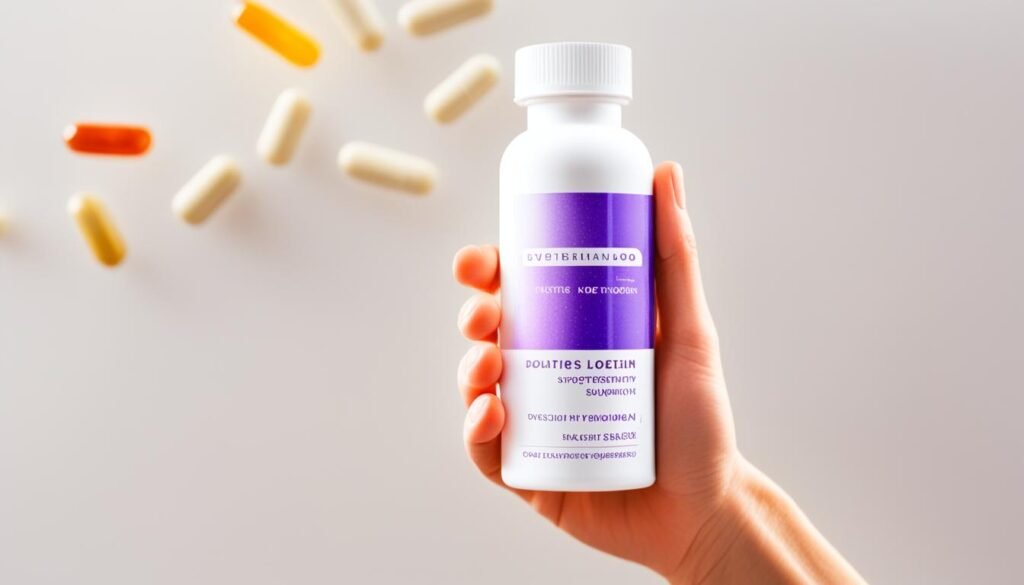
In a study of 22 patients with low biotin after gastric sleeve surgery, 5 saw a big drop in hair loss, 14 a small one, and 3 didn’t notice a change after 3 months on biotin supplements. Biotin supplements are seen as safe and unlikely to cause harm because they’re water-soluble. But, too much biotin can cause insomnia, excessive thirst, and urination.
It’s key to remember that high biotin levels can mess with some lab tests, like thyroid hormone, vitamin D, and heart health tests. Always talk to a healthcare pro before starting biotin supplements for hair loss treatment.
The Effects of Collagen on Skin Health and Appearance
Collagen is the most common protein in our bodies. It keeps our skin, bones, tendons, and ligaments strong and healthy. You can find collagen in foods like bone broth, chicken skin, and fish scales. Adding collagen to your daily diet can greatly improve your skin’s health and look.
Collagen Supplementation and Improved Skin Elasticity
Research shows that taking collagen can make your skin more hydrated, reduce wrinkles, and look younger. A 2019 study found that collagen supplements helped women over 35 improve their skin’s moisture, flexibility, roughness, and thickness. After 12 weeks, the women saw better skin health, and the effects lasted for 4 weeks after stopping the supplements. Another review in 2019 looked at 11 studies with 805 people. It showed that collagen can help with skin aging, cellulite, dryness, and ulcers.
“Collagen supplementation may help increase skin hydration, reduce wrinkles, and promote a more youthful appearance.” –
Adding collagen supplements to your daily routine can help keep your skin looking young and healthy. It also helps with joint flexibility and can ease osteoarthritis symptoms.
But collagen isn’t the only important nutrient for skin health. Biotin and keratin also play a big role in making your hair, skin, and nails better. Using collagen and these nutrients together can give you the best results for your beauty and health.
Collagen vs. Biotin: Which is Better for Skin?
Both collagen and biotin are key for keeping skin healthy and young. Biotin not getting enough can hurt skin health. But, studies show collagen supplements might be better for skin issues like aging and looks.
Biotin, known as Vitamin B7, helps make keratin, a protein in hair, nails, and skin. People take biotin supplements to help hair grow and make nails stronger. But, there’s not much proof it helps skin look better.
Collagen is a big protein in the body, found deep in skin layers. Taking collagen supplements can make skin more elastic, hydrated, and look younger. A 2019 review found collagen supplements can lessen skin aging signs, make skin more hydrated and elastic, and help with dry skin and other issues.
If you want to fight skin aging and make your skin look better, collagen might be a better choice than biotin. But, if you’re low on biotin, taking biotin supplements can help your skin health.
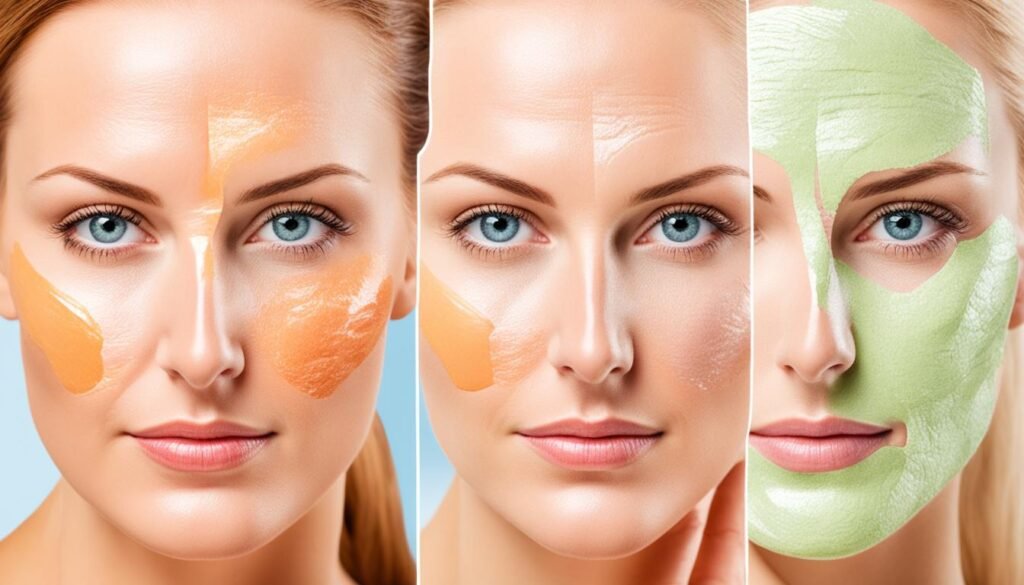
Choosing between collagen and biotin depends on what you need and want for your skin. Always talk to a healthcare expert to find the best way to address your skin concerns.
Collagen vs. Biotin vs. Keratin: Understanding the Differences for Hair Loss and
Collagen, biotin, and keratin are key for healthy, strong, and vibrant hair. Each has unique benefits that can help with hair loss and getting the hair you want.
Collagen: Follicle Support and Hair Growth
Collagen is vital for your hair’s health and vitality. It supports your hair follicles, which are crucial for growth and anchoring your hair. Collagen also makes hair thicker, stronger, and more resilient. Its anti-aging effects prevent hair thinning and weakening as you age.
Keratin: The Hair Protein for Thickness and Strength
Keratin is a key protein in hair, nails, and skin. It’s vital for hair thickness, strength, and health. Without enough keratin, hair becomes brittle and breaks easily. Using keratin-rich products can make your hair smooth and sleek.
Biotin aids in processing amino acids and proteins for hair. But it’s not as direct in hair structure and growth as collagen and keratin. Still, it helps with cell growth and keratin production, which is good for hair loss or thinning.
Knowing what collagen, keratin, and biotin do can help you choose the right hair care and supplements. Using these nutrients together can improve hair follicle health, boost growth, and strengthen your hair quality.
The Role of Elastin in Hair Health
While collagen and keratin get a lot of attention for hair health, elastin is just as vital. It’s a key protein in the skin and hair follicles, giving them flexibility and strength.
Elastin is essential for the hair follicle to work right. It keeps the follicle strong and helps hair grow and move without breaking.
As we get older, our bodies make less elastin. This can lead to thinning hair, hair loss, and wrinkles. Taking elastin supplements might help fight this aging effect and keep hair follicles healthy.
More studies are needed to fully grasp how elastin affects hair growth and health. But early findings hint that keeping elastin levels up could help those with hair loss or thinning.
Adding foods and supplements high in elastin, along with collagen and biotin, might lead to stronger, healthier hair. This could also support follicle health.
Getting healthy hair involves looking at both what you put in your body and what you do to it. A balanced approach that covers both can lead to the best results.
Combining Collagen, Keratin, and Biotin for Optimal Results
A supplement that combines collagen, keratin, and biotin is great for hair growth and health. Collagen helps hair follicles grow. Keratin gives hair the protein it needs for thickness and strength. Biotin helps turn amino acids and proteins into hair. Together, these nutrients support hair health, growth, and look.
Synergistic Effects of Hair Nutrients
Collagen makes up most of hair, skin, and nails. Taking these nutrients together can be more effective than taking them apart. Collagen keeps hair attached to the scalp, especially as we get older. Biotin is a B vitamin that helps with hair, skin, and nail health. It gives energy for hair production and works with collagen for healthy hair.
Collagen, keratin, and biotin are key for hair health. Collagen supports follicles, keratin gives structure, and biotin helps with metabolism. Together, they keep hair healthy and strong. Using these nutrients together can improve your hair’s health and look for a long time.
| Nutrient | Key Benefits for Hair | Best Sources |
|---|---|---|
| Collagen |
- Supports hair follicles and growth
- Improves hair strength and thickness
- Promotes scalp health
- Bone broth
- Chicken, fish, and other animal proteins
- Collagen supplements
| Keratin |
- Provides essential protein for hair structure
- Enhances hair thickness and strength
- Improves hair texture and manageability
- Keratin-rich hair products
- Meat, eggs, and dairy products
- Keratin supplements
| Biotin |
- Supports energy production for hair growth
- Helps metabolize proteins and amino acids
- Maintains healthy skin, hair, and nails
- Eggs, nuts, seeds, and avocados
- Leafy greens and legumes
- Biotin supplements
Using collagen, keratin, and biotin together in a supplement helps your hair get the nutrients it needs. This approach can lead to stronger, healthier hair that grows easily.
“Collagen, keratin, and biotin work together to create a powerful, comprehensive solution for hair health and growth.”
Vegan Sources of Collagen and Keratin Alternatives
Traditional collagen and keratin come from animals, but now, there are vegan options for those who prefer cruelty-free and sustainable hair care. Scientists have made vegan collagen using yeast and bacteria, offering a kinder choice for those who don’t eat animals. Foods like nuts, seeds, legumes, and soy also have amino acids that help make collagen, giving a natural way to support healthy hair.
The demand for vegan collagen and keratin is growing fast. These products are not only good for those who care about animals but also for the planet. They reduce the need for animal products in hair care. Choosing these plant-based options helps your hair and supports a kinder lifestyle.
Nutrients for Plant-Based Hair Health
People are now looking for plant-based alternatives to animal collagen and keratin because of concerns about the environment and ethics. Foods and supplements with vitamin D, zinc, linoleic acid, and selenium are great for hair health. Adding these vegan-friendly nutrients to your diet helps your hair grow strong and healthy without hurting animals.
Choosing cruelty-free and sustainable hair care is good for you and the planet. With vegan collagen, keratin, and other plant-based options, you can take care of your hair and stick to your values.
Potential Side Effects and Safety Considerations
When looking into collagen and biotin supplements, knowing about possible side effects and safety tips is key. These supplements are usually safe when taken as directed. However, there are some things to remember.
Collagen supplements are mostly safe and don’t usually cause serious issues. But, the FDA doesn’t make supplements prove they are safe or pure. This means some ingredients could cause allergic reactions or affect how medicines work. Always check the ingredients list if you have allergies or special dietary needs.
Biotin supplements might affect some medical tests, like those for hepatitis, HIV, thyroid levels, vitamin D, and pregnancy tests. The FDA warns that biotin can change lab test results. So, tell your doctor about any supplements you’re taking.
- Some people might experience stomach issues with collagen supplements.
- Biotin supplements are usually safe, but taking too much isn’t well-studied.
- Always buy supplements from reputable sources, as the industry isn’t strictly regulated.
Always talk to your healthcare provider before starting or stopping any supplements. They can make sure your supplements are safe and work well with your health and any medicines you’re on.
“Supplements are not monitored by the U.S. Food and Drug Administration for purity or safety, emphasizing the importance of buying from a trusted manufacturer.”
Natural Food Sources of Collagen, Biotin, and Keratin
If you want to keep your hair healthy naturally, eating foods rich in collagen, biotin, and keratin is key. Collagen is a key protein that helps keep skin, hair, and nails strong. Biotin, a B-vitamin, helps hair grow well, makes it thicker, and reduces hair loss. Keratin gives hair strength and makes it resilient.
Great sources of collagen include:
- Bone broth
- Chicken, fish, and other animal-based proteins
- Eggs, especially the yolks
For biotin, try:
- Eggs
- Meat, fish, and dairy products
- Nuts, seeds, and leafy greens
For keratin, consider:
- Meat, poultry, and fish
- Eggs
- Certain vegetables like onions and garlic
Eating these foods helps support your hair health from the inside. They work well with any supplements you might take.
| Nutrient | Top Food Sources |
|---|---|
| Collagen | Bone broth, chicken, fish, eggs |
| Biotin | Eggs, meat, fish, nuts, seeds, leafy greens |
| Keratin | Meat, poultry, fish, eggs, onions, garlic |
“Incorporating collagen-rich, biotin-rich, and keratin-rich foods into your diet can be a natural and complementary approach to supporting your hair health.”
Lifestyle and Environmental Factors Affecting Hair Health
Supplements like collagen, biotin, and keratin help with hair health factors. But, don’t forget about your lifestyle and the environment. Stress, diet, and other influences greatly affect your hair’s health and growth.
Stress and Hair Loss
Stress can harm your hair, leading to more stress and hair loss. High cortisol levels mess with the hair growth cycle, making more follicles shed early. This can cause thinning or diffuse hair loss.
Diet and Hair Growth
What you eat affects your diet and hair growth. Not getting enough vitamins, minerals, and proteins hurts hair follicles and slows growth. Eating foods like leafy greens, nuts, seeds, and lean proteins helps keep your hair strong and healthy.
Environmental Factors
Things around you can also harm your hair. Pollutants, harsh chemicals in hair products, and too much sun can make hair dry, brittle, and fall out more. Using gentle shampoos and avoiding heat styling can lessen these effects.
By looking at lifestyle and environmental factors, you can improve your hair health. This goes hand in hand with supplements for a full hair care plan.
| Lifestyle Factor | Impact on Hair Health |
|---|---|
| Stress | Increased cortisol levels can disrupt the hair growth cycle, leading to excessive shedding. |
| Diet | Nutrient deficiencies in vitamins, minerals, and proteins can impair hair follicle health and inhibit new hair growth. |
| Environmental Exposure | Pollution, harsh chemicals, and excessive sun exposure can damage hair, leading to dryness, brittleness, and increased shedding. |
“Maintaining a balanced, nutrient-rich diet, managing stress, and avoiding harsh hair treatments can work in conjunction with supplements to promote overall hair health and resilience.”
Hair Care Routines and Supplements: A Holistic Approach
For the best hair health and growth, combining hair care, lifestyle, and hair health supplements works well. This means using products with ingredients like collagen, keratin, and biotin. It also means taking supplements. Adding stress management, eating well, and avoiding harsh chemicals helps too. This way, hair becomes thicker, stronger, and looks better.
Biotin helps hair grow, get thicker, and stop hair loss. It’s Vitamin B7, important for making keratin, which is key for hair growth. Collagen is a big protein in our bodies. It helps the skin, hair, nails, and bones. Using biotin and collagen in a hair growth routine helps hair health from the inside.
But, before starting supplements, talk to a healthcare provider. A holistic hair care plan uses both products and supplements for best results.
| Ingredient | Benefits for Hair | Supplement Forms |
|---|---|---|
| Biotin | Enhances hair growth, boosts thickness, reduces loss | Capsules, tablets, gummies |
| Collagen | Provides structure and support for hair, skin, and nails | Powders, capsules, liquid shots |
| Keratin | Promotes hair thickness and strength, essential for healthy hair and nails | Supplements, topical products |
Using supplements and topical products in a hair growth routine helps nourish hair from within. This approach can lead to natural hair care success.
“Addressing hair health from multiple angles, including supplements and lifestyle factors, can lead to thicker, stronger, and more vibrant-looking hair.”
Conclusion
In this article, we looked at how collagen, biotin, and keratin help with hair health and hair loss solutions. Collagen feeds the hair roots and boosts hair growth. Biotin aids in breaking down proteins that make up hair. Keratin gives hair the structure for strength and health.
Knowing the unique benefits of these nutrients helps you create a plan for better hair. Using supplements like collagen, biotin, and keratin, along with good hair care, can meet your hair health and hair growth goals.
The global beauty ingestible market is set to hit $8.30 billion by 2030. This shows the increasing interest in new hair health and skin health products. Adding collagen, biotin, or both to your hair care can lead to the healthy, beautiful hair you want.
FAQ
What are the key differences between collagen, biotin, and keratin?
How does collagen support hair health and growth?
What is the role of biotin in hair health?
Can biotin supplements help reduce hair loss?
How can collagen supplements improve skin health and appearance?
Is collagen or biotin better for improving skin health?
How do collagen, keratin, and biotin work together to support hair health?
Are there vegan or plant-based sources of collagen and keratin?
What are the potential side effects and safety considerations of collagen and biotin supplements?
Source Links
- Collagen vs. biotin for the skin and hair: Which is better?
- Biotin vs Keratin For Hair Loss: Which is Right for You
- Understanding Keratin, Biotin, and Collagen in Conditioners
- Biotin vs. Collagen for Hair Growth: Which is Better? – Vaughan’s Holistic Hair Clinic & Wellness Spa
- Which is better: Biotin vs. Collagen | Moerie
- Biotin for Hair Growth
- Collagen or Biotin, Which is Better? | So Collagen
- Keratin: Working Alongside Collagen in Skin, Hair, and Nail Health
- Keratin Vs Biotin: What You Should Choose For Your Hair
- Collagen vs Biotin: Which is Right For You for Hair Growth?
- Collagen vs Biotin: Which Is Better For Your Skin, Hair, And Nails?
- Hair Benefits of Collagen, Keratin, Elastin, and Biotin
- Biotin or Collagen? What is better for Thinning Hair?
- What Is the Difference between Keratin and Biotin Shampoo?
- Biotin vs Keratin: Choosing the Best for Hair Growth and Loss
- Biotin vs. Collagen: Which is Better?
- Natural Hair Supplements: Trends and Myths Untangled | JCAD | The Journal of Clinical and Aesthetic Dermatology
- Collagen vs. Biotin: Which Should You Take? – Moon Juice
- Biotin vs Collagen: How They Each Impact Hair
- Does Collagen Support Hair Growth?
- Diet and hair loss: effects of nutrient deficiency and supplement use
- Collagen Won’t Hurt Hair Growth, But It Probably Won’t Help Either
- Biotin Side Effects: Is Biotin Safe?
- Risks of Skin, Hair, and Nail Supplements
- The Best Collagen for Hair, Nails and Skin
- Biotin or Collagen for Thinning Hair: What is Better?
- Prima
- The Role of Vitamins and Minerals in Hair Loss: A Review
- Biotin vs. Keratin: Which Is Right for Your Hair?
- Biotin vs Collagen | Beauty & Cutie
- Collagen vs. Biotin for the Skin and Hair: Which Is Better?
- Polyamines: Better than Biotin & Keratin for Hair Growth?
